
Fear in Leadership: The Missing Metric Driving Performance
There are moments in leadership when everything is on the line. The decision matters. The people matter. The outcome matters. In those moments, one thing is always present, whether we acknowledge it or not: fear.
Not fear as weakness. Fear as a force shaping how people interpret what is happening and how they act.
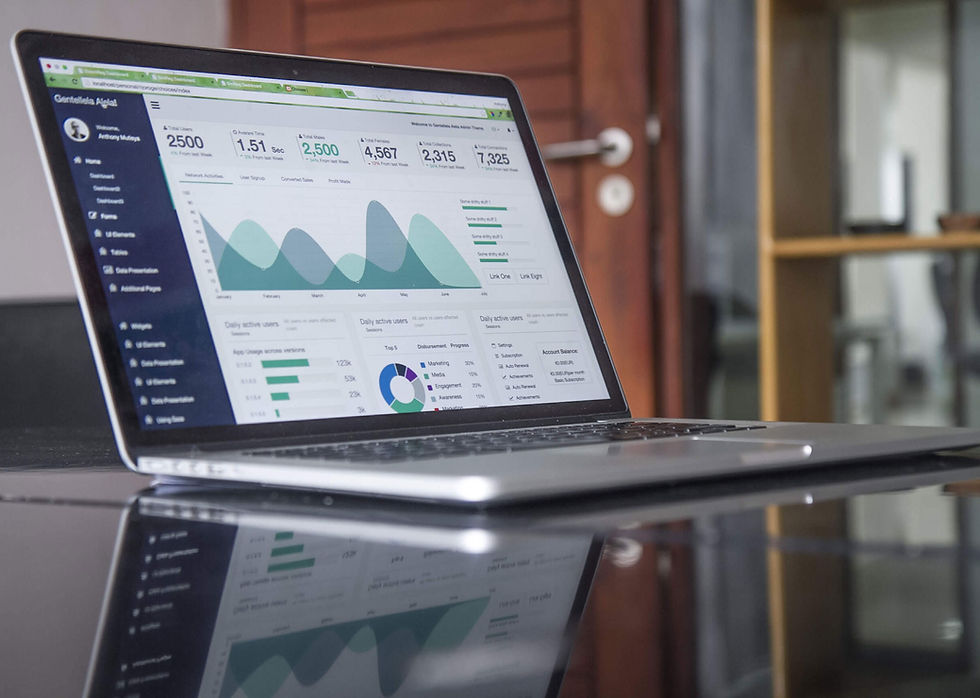
Most organizations don’t measure this. They track engagement, performance, and output. They review dashboards full of data. But none of it tells them what is actually driving behavior in the moment. Because behavior doesn’t come from metrics. It comes from perception, and perception is shaped by conditions. Fear sits right at the center of that.
The research is clear. The work of Amy Edmondson shows that when people feel safe to speak up, teams make better decisions and perform at a higher level. Studies from Gallup consistently link high-trust, low-fear environments to stronger engagement, productivity, and retention. When fear is present, the opposite happens. People hold back, information gets filtered, and performance suffers.
The challenge is that fear rarely shows up directly. It shows up in what doesn’t happen. The idea that isn’t shared. The risk that isn’t raised. The decision that gets delayed. The meeting where everyone agrees too quickly. From the outside, things can look fine. Inside, people are constantly calculating what it will cost them to speak up.
In high-pressure environments, you learn quickly that fear is not something to ignore. It is information. Hesitation tells you something. Silence tells you something. Overconfidence tells you something. The question is whether you are paying attention to it or operating without visibility.
Most organizations are trying to change behavior without understanding the conditions driving it. That is why the same patterns repeat. Not because people are unwilling, but because the system is producing those outcomes.
When you start measuring the conditions that create fear, everything shifts. You can see where clarity breaks down, where pressure distorts decisions, and where trust disappears under stress. You move from guessing to understanding.
If fear is shaping decision-making, collaboration, and performance, then it belongs on your dashboard. Whether you measure it or not, it is already influencing your results.
The work we do with the Fear Index Assessment™ is built to make this visible. Not to judge people, but to show leaders what their system is producing and why. Because once you can see the conditions, you can change them.
The leaders who perform under pressure are not the ones who eliminate fear. They are the ones who understand it and act on what it is telling them.


Comments